
Automated ticketing helps aggregate producers enter scale ticket data once and share it in real time across sales, billing, and dispatch. At Anderson Columbia and Blue Water Industries, that means next-day billing, fewer credits and rebills, and trucking plans built on live turnaround data instead of tickets mailed back to the office.
Anderson Columbia, of course, didn’t become a top 100 crushed stone producer overnight. Now one of the largest vertically integrated highway construction firms in the Southeast, Anderson Columbia has aggregate operations in Florida, Georgia, and Texas.
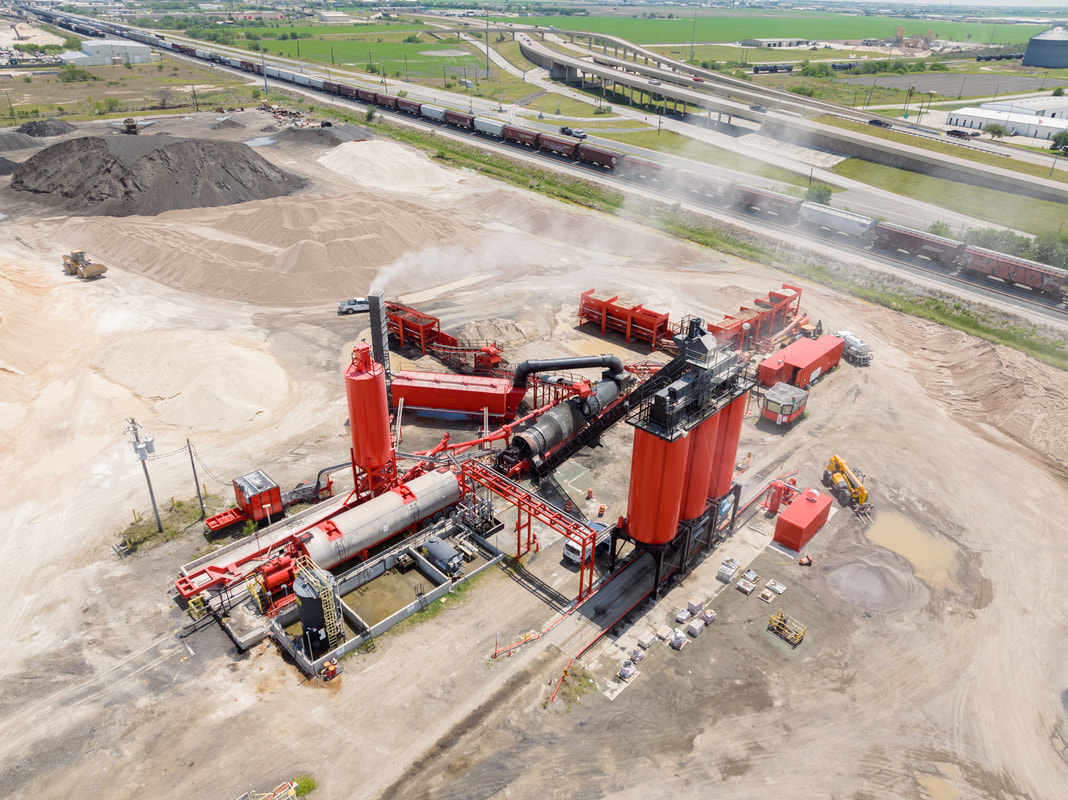
Across its operations today, the company processes about 250,000 tickets per year, according to Bert Myers, corporate controller at Anderson Columbia. With such a staggering number to manage, Myers cannot imagine doing so without an automated ticketing system.
“We started using a ticketing system around the time I came on, about 20 years ago or maybe a little before I got here,” Myers says. “Back then, we could have managed for a while longer doing it manually, but with the volumes we do today, there’s no way to manage that volume with our staff size without the ticketing system.”
Once a ticket is entered into Anderson Columbia’s system today, no one touches it again. That wasn’t always the case, though.
“With the old way, you have a ticket, somebody has to enter that information, print it off and send it via courier or FedEx to the office,” Myers says. “Somebody in an office would reenter that data."
“All that’s gone,” he adds.
In addition to duplicating data entry, information sharing without such a system was delayed because it depended on an employee keying in details. Billing and job costing were delayed, and visibility of operations, including production, shipments, and trucking activity, was limited.
“You’re just always behind with the manual process,” Myers says. “You’re just a historian at that point.”
What are the benefits of automated ticketing?
Automated ticketing means ticket information is entered once and shared everywhere it’s needed.
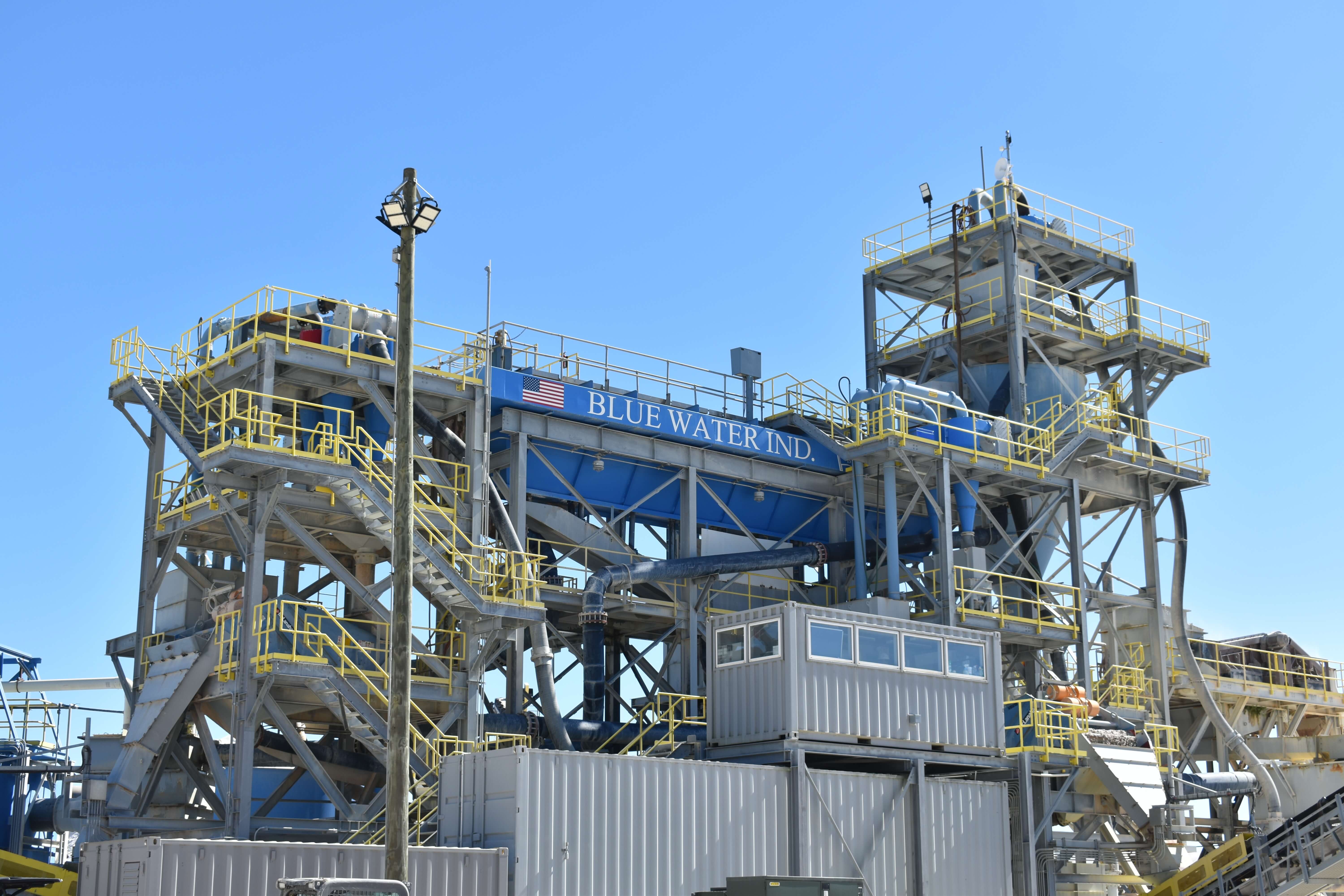
For Blue Water Industries, that has meant fewer phone calls and emails, simpler work for weighmasters, ticket data flowing straight to its ERP system, real-time visibility, and self-service access for customers and haulers.
Blue Water Industries, another top 100 crushed stone producer that also cracked the U.S. Geological Survey’s top 100 sand and gravel producers list in 2025, has experienced the night-and-day difference between manual processes and an automated ticketing system much like Anderson Columbia.
“There are fewer phone calls, fewer emails, and a lot of efficiencies coming through this system now because the information is in there one time and everybody can grab it whenever they want,” says Stephen Larson, director of IT at Blue Water.
Leaning into the Fastweigh bulk material ticketing platform, Larson says Blue Water’s system has streamlined processes for employees while giving customers greater access to information.
“Usually, the sales people are putting in the sales order themselves in Fastweigh, so they’re keying their part in,” Larson says. “All the weighmaster has to worry about is that truck coming in and making sure they have the right sales order, truck, hauler and product selected.
“Then, going from having that ticket printed to it already being in the system and flowing to our ERP system, those are major advancements for us,” he adds. “We’re able to see everything in real time now because of it.”
Blue Water’s customers and haulers also can log in and retrieve data, expanding the value of automated ticketing.
How can producers put ticketing data to work?
Producers can pair ticketing data with other software to manage trucks and speed up billing.
Anderson Columbia, for example, tracks turnaround times across its aggregate and asphalt operations, which can cut a job from six trucks a day to five, while both producers use same-day ticket data to bill faster and more accurately.
Anderson Columbia is even taking its ticketing data a step further, leveraging it with other software it uses to track trucks and manage other areas of the business.
“We’ve moved it into our asphalt operation in the ticketing systems,” Myers says. “We’re constantly measuring turnaround time to and from jobs with our aggregate or asphalt.”
Employees have learned they can allocate one fewer truck by using real-time ticketing data to plan more efficiently.
“Instead of an even six trucks a day, I can get away with five because I can manage based on where the job is and how fast these trucks are turning around, leveraging that ticketing data,” Myers says. “I know when they left, how many tons they had on and when they should be there and back. It’s a game-changer when you use it wisely.”
Myers also values the ability to expedite the billing and collections process.
“Of course, my heart’s in getting that money,” he says. “If I can bill something tomorrow for what I did today, rather than a week from now when the tickets come through the mail and get reentered, I’ve just sped up my 30-day turnaround.”
Similarly, with Fastweigh behind it, Blue Water has significantly cut down on its credits and rebills.
“With the information coming across in real time, we’re able to check our pricing, the haulers, the sales orders and the trucks throughout the same day,” Larson says. “Then, we’re able to ensure all that information is 100 percent accurate before we turn around and bill the customers the next day.”
For producers like Blue Water Industries and Anderson Columbia, the true value of automated ticketing ultimately comes down to the information it puts at their fingertips.
“If you don’t have good data or you can’t access that data, then everything else is useless,” Larson says.
Frequently asked questions
What is automated ticketing in the aggregates industry?
Automated ticketing uses digital systems to capture, process, and share scale ticket information at aggregate operations. These systems help producers track material shipments, manage sales orders, and connect ticketing data with accounting and other business software, reducing manual data entry.
How does automated ticketing improve operational efficiency?
Automated ticketing gives producers real-time access to shipment, trucking, and sales information. This visibility helps managers make better decisions, streamline workflows, and reduce administrative tasks. It can also improve billing accuracy by allowing employees to identify and correct errors before invoices are issued.
How can aggregate producers get started with ticketing automation?
Producers can begin by evaluating their existing scale systems and identifying processes that rely on manual data entry. Selecting a system that integrates with other business software and makes ticketing information readily accessible can establish a foundation for additional automation and reporting.
What problems does manual ticketing cause?
Manual ticketing means someone enters ticket data, prints it and ships it to an office where someone else reenters it. That duplicate work delays billing and job costing and limits visibility into production, shipments, and trucking. As Anderson Columbia’s controller puts it, you’re always behind.
How does automated ticketing speed up billing?
Ticket data flows into the producer’s system, so there is no wait for paper tickets to arrive and be rekeyed. Anderson Columbia can bill the day after a delivery instead of a week later, and Blue Water checks pricing, haulers, and orders the same day before billing.
Can ticketing data help manage trucking?
Yes. Real-time ticket data shows when each truck left, how many tons it carried, and when it should return. Anderson Columbia uses that turnaround data across its aggregate and asphalt operations, and its corporate controller says that can mean five trucks a day instead of six.
Can customers and haulers access ticket data?
Automated ticketing systems can let customers and haulers log in and pull their own ticket data. Blue Water Industries offers that access through Fastweigh, which it says has cut down on phone calls and emails because information is entered once and everyone can retrieve it when needed.